
AG: Canopy of the Amazon Rainforest

AG: El Yunque National Forest, Puerto Rico

AG: Palms in Borneo

AG: Monsoon rain

AG: Monsoon rain in Sri Lanka

AG: Khao Phra Thaeo National Park, Thailand

AG: Braulio Carillo National Park, Costa Rica

AG: The Ik Kil Cenote in the Yucatan Peninsula, Mexico. A cenote is large sinkhole that is filled with water. The ground of the Yucatan Peninsula is almost entirely limestone, so there are no rivers and thus the only fresh drinkable water is underground. Said water has carved underground rivers beneath that ran across the region, and when the ceiling collapsed, a cenote was created. Because these cenotes exposed the underground water, they were the only way the ancient Mayan people could access water safe for drinking.

AG: Xkeken Cenote

AG: Suytun Cenote, Mexico

AG: The Mirador Basin in Guatemala.

AG: Ek' Balam, Mexico

AG: The ancient Mayan town of Chicanna.
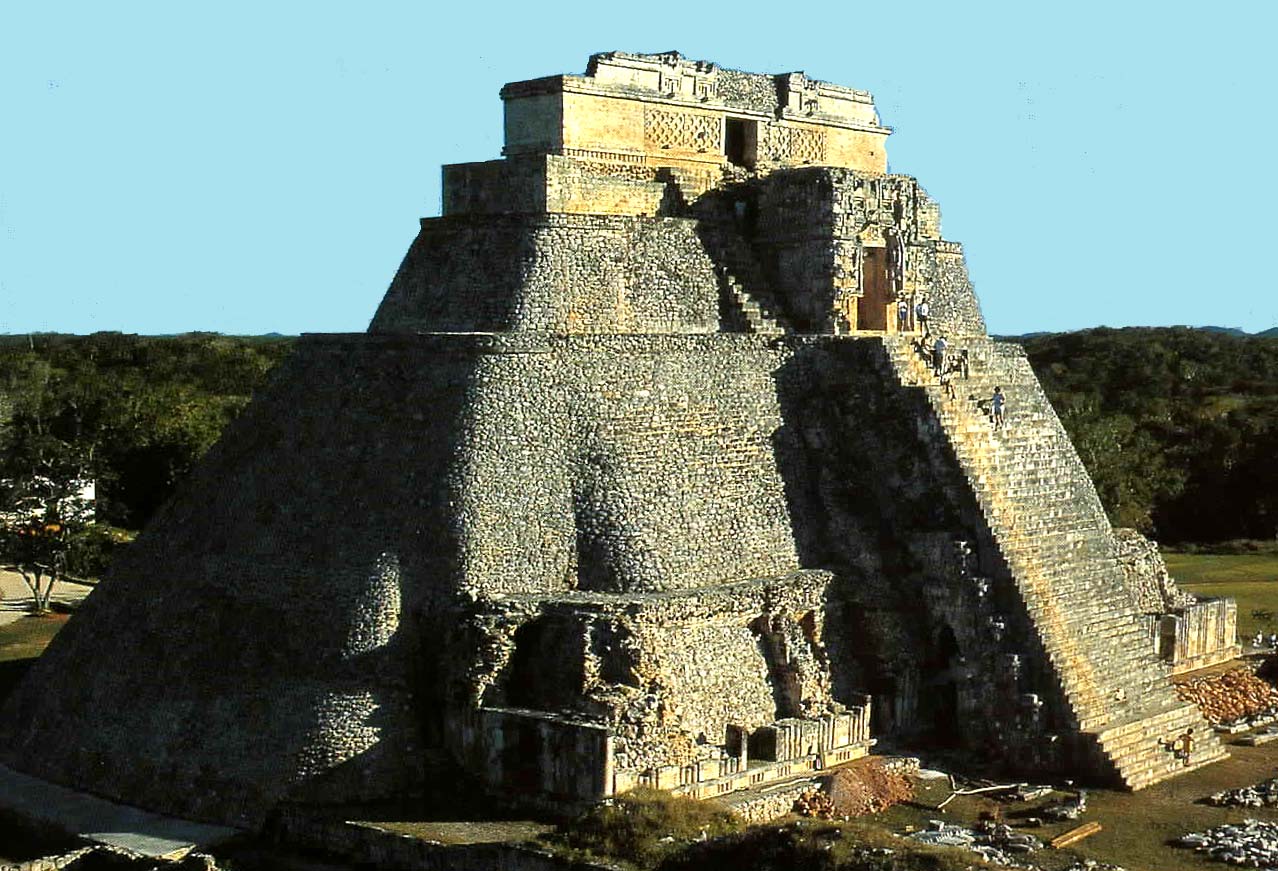
AG: The Pyramid of the Magician in Uxmal, from the Yucatan Province in Mexico.

AG: The Lamanai Ruins, Belize

AG: The doorway to the Prasanna Virupaksha Temple (better known as the Underground Shiva Temple) in Hampi, India. There are water marks in this image, which indicate the level of flooding during periods of heavy rain.

AG: Prasanna Virupaksha Temple with some flooding.

AG: Angkor Wat ruins, Cambodia

AG: An empty pool in Angkor Wat, Cambodia

AG: Rock-cut Kailash Temple at Ellor Caves in Maharashtra, India

AG: Rock-cut temple in Badami Caves in Karnataka, India

AG: Batu Caves, Malaysia

AG: Khao Luang Cave Temple, Thailand

LE; The red highlights on the image above show a cave that has an entrance/exit partially submerged in the water that inhabits the cave.

LE; The cave in this picture is fully submerged with the entrance ABOVE the waterline, as the highlight suggests.

LE; This image displays a pillar in the cave, likely formed by an erosion of some kind. This is an element that would fit nicely into an environment.

LE; The highlights above show formations of stalactites which would make a nice addition to our concepts and bring variety to the environment.

LE; The highlight above displays a group of vines growing around a stone building. This is an element we wanted to show the natural takeover that is occurring on the planet.


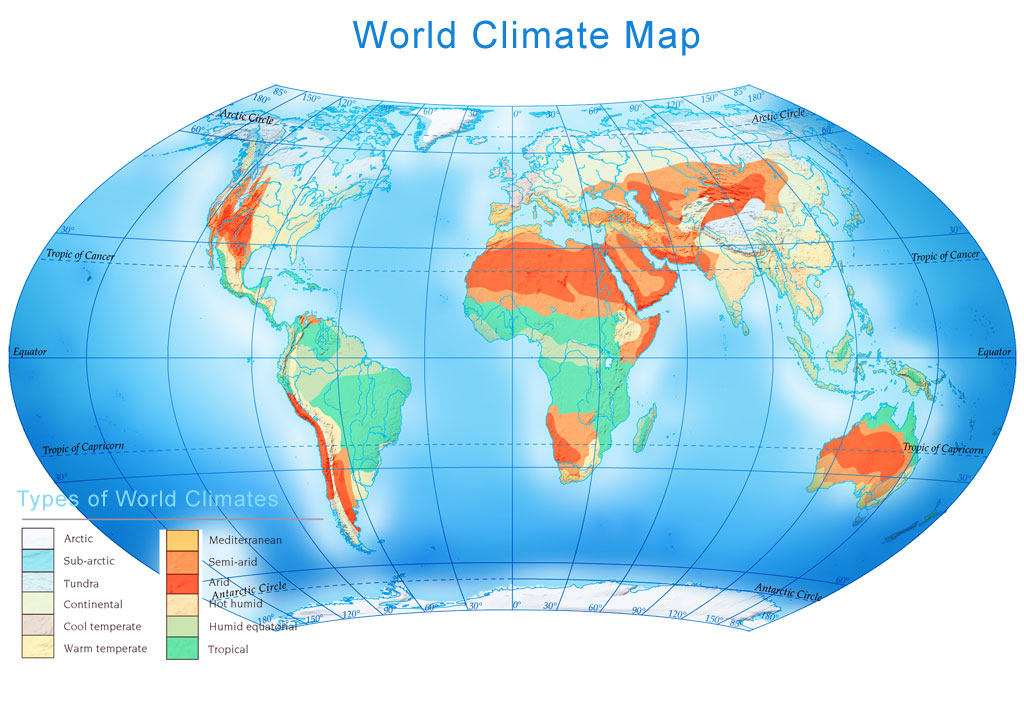
LE; These climate maps help us research specific places that have similar climates to what we are aiming for.


LE; This is a quick concept showing what vine-like (flora?) would look like in the night with bio luminescence.



No comments:
Post a Comment